What additional funding support does your local public school receive for students with disability? “Public school funding is allocated to schools based on the learning needs of students and school characteristics”. For the most up to date information on funding,…
With the state election on March 8, DDWA urge all political parties to commit to improving services for people with intellectual and other developmental disabilities. So far only the Greens, and to some extent the Nationals, have responded and shown…
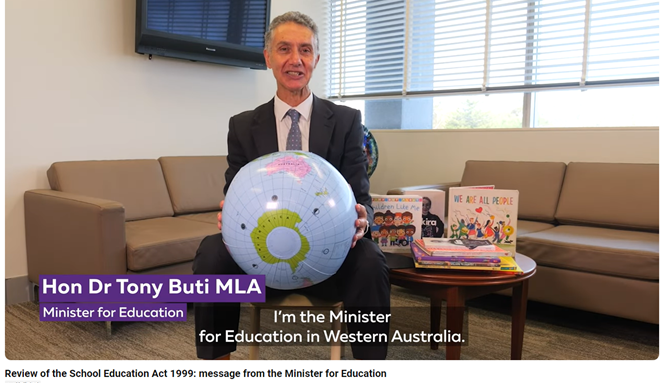
The consultation phase for the Review of the School Education Act 1999 has officially begun! Why? To identify opportunities to strengthen access and inclusion for students with disability. This is for everyone to comment on because your opinion matters about…
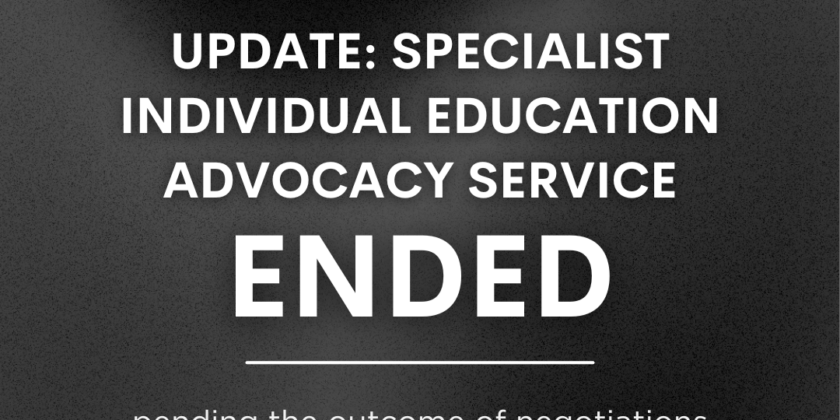
Updated news read blog here: https://ddwa.org.au/specialist-education-advocacy-service-for-families-in-wa/ – specialist education advocacy service now funded temporarily through to 30th December 2025. Dear Members and Supporters, It is with much frustration and disappointment that we advise you that our Specialist Individual Education Advocacy…
To provide recommendations to strengthen access and inclusion for students with disability DDWA Advisory Council members – a group of people with intellectual disability – are working with the WA Government to review of the School Education Act 1999. DDWA…
What to do when negotiating with your child’s school. First Principles Next stages of escalation *Governance/oversight system representatives will vary according to the school your child attends State government schools State Government Schools have a ‘ladder’ of levels of oversight…
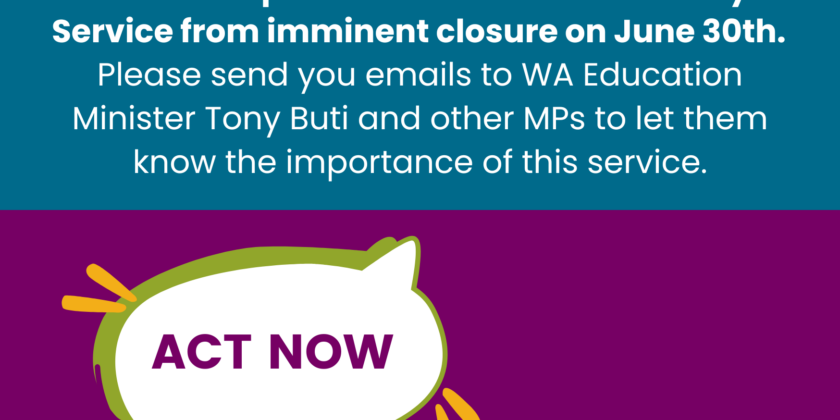
In a critical moment for families of children with disabilities, Developmental Disability WA (DDWA) calls for urgent support to save our Specialist Education Advocacy Service from imminent closure on June 30th. The WA State Government has refused to provide funding…
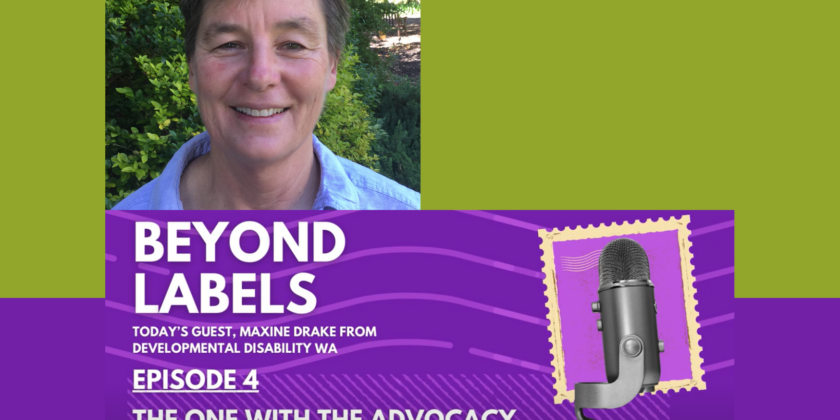
Watch and listen here as our own Maxine Drake talks about the valuable work that we do here at DDWA with Sandra of Blooming Supports, producer of “Beyond Labels” podcast (May 2024). Maxine is one of our advocates at DDWA.…
Simplify your communication materials – create clear, easy to understand materials. We’re thrilled to introduce our latest resource: the “How to Make Easy Read Books” booklet. Easy Read is a a special way to make information easier for people with intellectual…
Two new and groundbreaking post-graduate certificate courses at Curtin University are set to transform the landscape of disability support in 2024. Positive Behaviour Support: Extending Understanding, Shaping Empathy Curtin University’s graduate course in Positive Behaviour Support is an opportunity for…
🌟 Continuing our campaign to share! Calling all AAC Users and Supporters! 🌟 Oftentimes with AAC*, unexpected things happen while learning, using, supporting, and researching. We would like for you to share your stories. * Augmentative and Alternative Communication (AAC)…
🌟 Calling all AAC Users and Supporters! 🌟 It’s that time of the year again, where we come together to celebrate AAC Awareness Month in October 2023! This year, the theme is “Say what? Sharing your most memorable moments with…
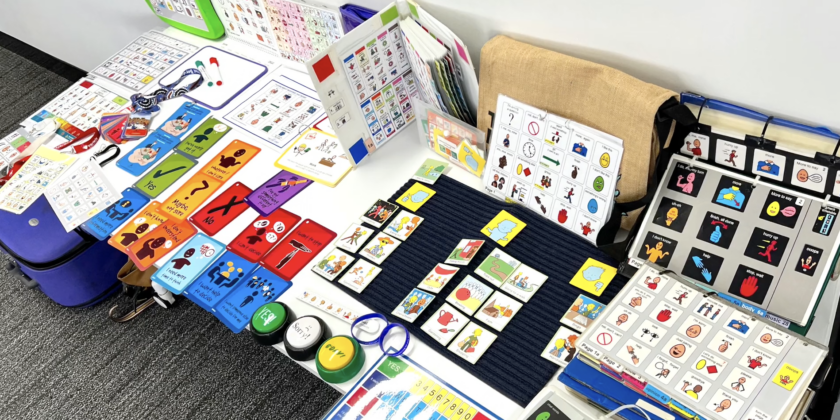
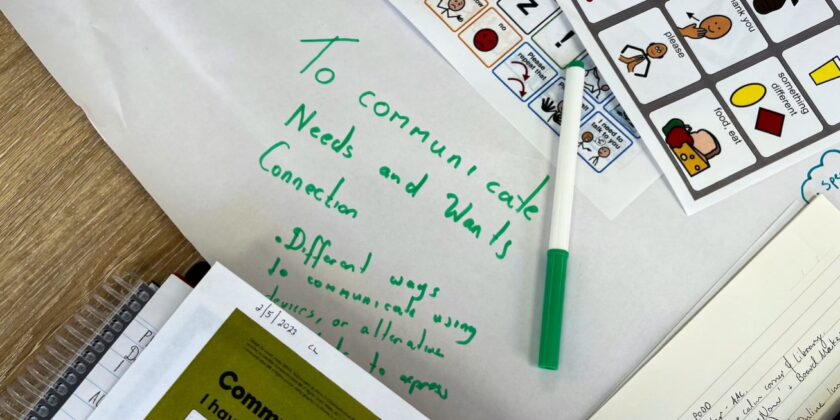
Helping provide solutions for people with communication difficulties is one of our key focus areas. To increase awareness of communication disability and help people who may work with people with disability we’ve run a few workshops over the course of…
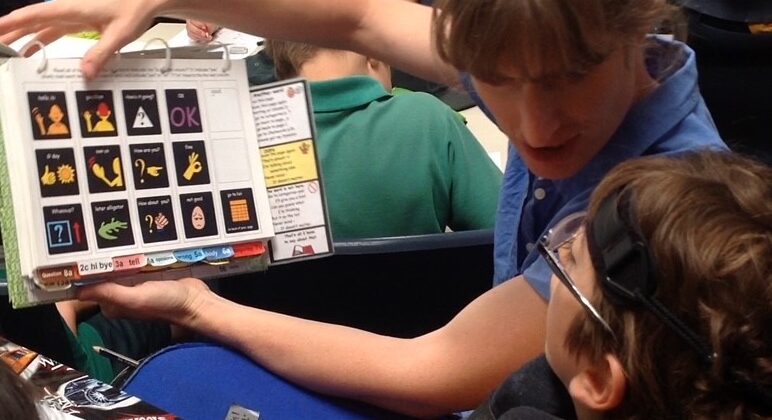
This is a snapshot of our popular workshop “AAC in Early Childhood Education – Supporting Children with little or no speech in Early Childhood Education K-2”. DDWA runs this a few time each year for people who work in early…
DDWA are aware that many young people with a disability and their families are looking for ways to build their skills, so they can move into a home of their own. In April, we asked you to respond to our…
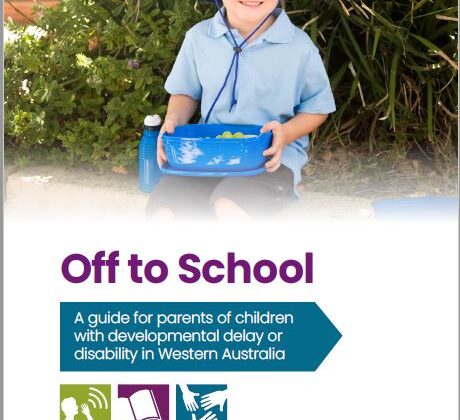
Is your child starting school and has a developmental delay or disability, or do you work with young children who have recently started school or will do so soon? This new resource is for you! Our new “Off to School”…
This list of 12 tips was developed from DDWA’s experience supporting parents to advocate for their child in mainstream schools.
What is the best way to communicate my child’s needs? Find out from your child’s class teacher how and when they will communicate with you about your child’s needs and how they prefer the communication to occur. Some teachers rely…
My child doesn’t have a diagnosis, can I expect support in a mainstream class at my local school? The school’s learning support team will support the teacher to identify students needing additional support. Talk to your child’s class teacher, or…
What curriculum adjustments is my child entitled to under the Disability Standards for Education? All schools must enable students with disability to participate in courses or programs and to use the school facilities and services provided, on the same basis…