The Arts
People with disability have the right to take part on an equal basis with others in cultural life.
(Article 30. Convention on the Rights of Persons with Disabilities).

The Arts: Expression and Connection
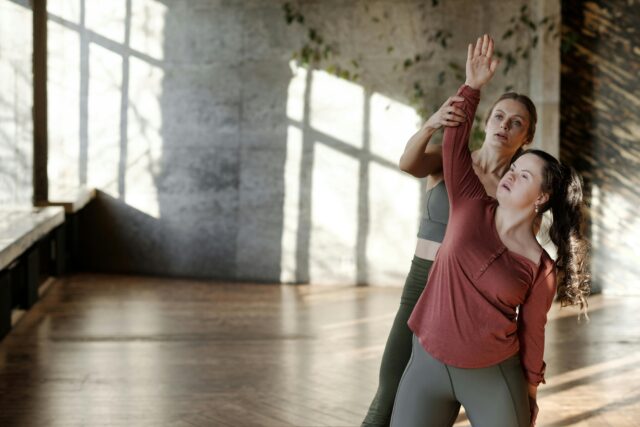
Access to arts and culture plays a crucial role in fostering social cohesion, enhancing mental well-being, and promoting education for people with intellectual and developmental disabilities. Engaging with the arts – whether through visual arts, music, dance, or drama – provides a platform for self-expression, creativity, and connection with others.
This page aims to guide people and their families and supporters in exploring the vibrant arts scene in Western Australia, highlighting accessible programs, events, and organisations that cater specifically to their needs.
Benefits of Arts Participation
Engaging in the arts offers numerous benefits, including:
- Social Connection: Participating in group activities helps build friendships and community ties.
- Mental Well-Being: Creative expression can reduce anxiety and promote emotional health.
- Skill Development: Arts programs can enhance fine motor skills, communication, and cognitive abilities.
- Confidence Building: Showcasing art or performance boosts self-esteem and personal achievement.

Disability Arts History Australia
This website shares the stories of d/Deaf, Disabled, and Neurodivergent artists in Australia from the 1970s to the present.
It hopes, by celebrating the groundbreaking contribution of these artists, to provide a resource for artists, arts organisations, researchers, and policy makers committed to making the arts industry more inclusive.
It includes interviews, organisational records, a timeline of important moments in policy, practice, and advocacy, and a list of books, articles, and reports.
Arts Programs and Opportunities in Western Australia
There are a number of organisations that offer community arts, theatre and performance, visual arts, music programs and more for people with disabilities. The following are a few places to start. We also encourage you to search for arts and cultural events that are in your local area.
Regional Arts WA
Created in 1994, Regional Arts WA is a not-for-profit organisation that provides services to the regional arts sector. This means every artist, arts worker, arts and cultural organisation, and organisation or group with activities in regional Western Australia. Their services and programs cover the nine regions (Kimberley, Pilbara, Gascoyne, Mid-West, Wheatbelt, South-West, Peel, Great Southern, and Goldfields-Esperance), including grant programs, advice, networking, capacity building, strategic projects and partnerships. Click the link below to go to their website:
https://regionalartswa.org.au/programs/

DADAA (Disability in the Arts, Disadvantage in the Arts):
DADAA supports artists with disabilities and offers workshops and programs in various art forms, including music, arts mentoring and workshops through to collaborating with disadvantaged communities on large scale projects, providing access to arts and culture for people with disability. Click the link below to go to their website:

Sensorium Theatre
This organisation holds theatre productions and offers incursions to schools and other venues with an aim to improve the lives of young people with disability by sparking their imaginations and increasing their creative responses. Their creative theatre events and immersive works put children with access needs at the centre of the action. Click the link below to go to their website:
What Arts Programs and Opportunities Do You Want in Western Australia?
When you break down what the Arts consist of, you might have an idea of what you do and what else you want to do:
- Performing arts – singing, acting, dance, music, puppetry...
- Visual arts – painting, drawing, textiles, sculpture, photography...
- Media arts – filming making, animation, podcasting, video games – writing / story design, character design...
Let us know what's available and we'll add it to our list so that other people can get involed: Email ddwa@ddwa.org.au.
Ideas:
TAFE offer animation courses and filmmaking courses and welcome neurodivergent and people with disabilities.
- Animation, Games and Visual Effects, North Metro TAFE: https://www.northmetrotafe.wa.edu.au/animation-games-and-visual-effects
WAAPA covers all the performing arts listed above. They offer "the most comprehensive range of performing arts training in Australia", and you can find out more here: https://www.waapa.ecu.edu.au/about/welcome-to-waapa

Community Arts Network WA
Offers a range of programs and projects that promote participation in the arts across diverse communities, including those with disabilities. Click the link below to go to their website:

Art on the Move:
A mobile art program that brings exhibitions and workshops to regional and remote communities of WA, making art accessible to more people. Click the link below to go to their website:
WA Youth Theatre Company:
Focuses on youth engagement and may have programs specifically designed for young people with disabilities. Click the link below to go to their website:
Arts and Cultural Places to Visit

Perth Cultural Centre
Home to various galleries, museums, and performance spaces, including the Art Gallery of WA and the Western Australian Museum. Many offer free or low-cost workshops. For more information click on the link below:
https://www.perthculturalcentre.com.au/
Western Australian Museum (WA Museum Boola Bardip)
Specific note to Western Australian Museum for their accessibility initiatives, including: accessible web design (to plan your visit and look up exhibitions information), free use of colour blind glasses during your visit, visual supports including *AAC printed materials (*Augmentative and Alternative Communication), printable Visual Stories, Sensory Maps, quiet times and quiet spaces, ramped access throughout, AUSLAN interpreter on request, and sensory backpacks to name a few.
Read information on the “Everyone is Included” webpage, with links to download resources and contact details for more information: https://visit.museum.wa.gov.au/boolabardip/everyone-included
The Art Gallery of WA
Offers accessibility features so that people of all abilities can enjoy a visit. There is a Sensory and Access Map to help visitors identify sensory-friendly spaces and navigate the gallery. This resource highlights quieter areas, seating options, and places for tactile engagement and activities. Additionally, their website features a downloadable Visual Story that you can print to prepare for your visit. For more information click on the link below:
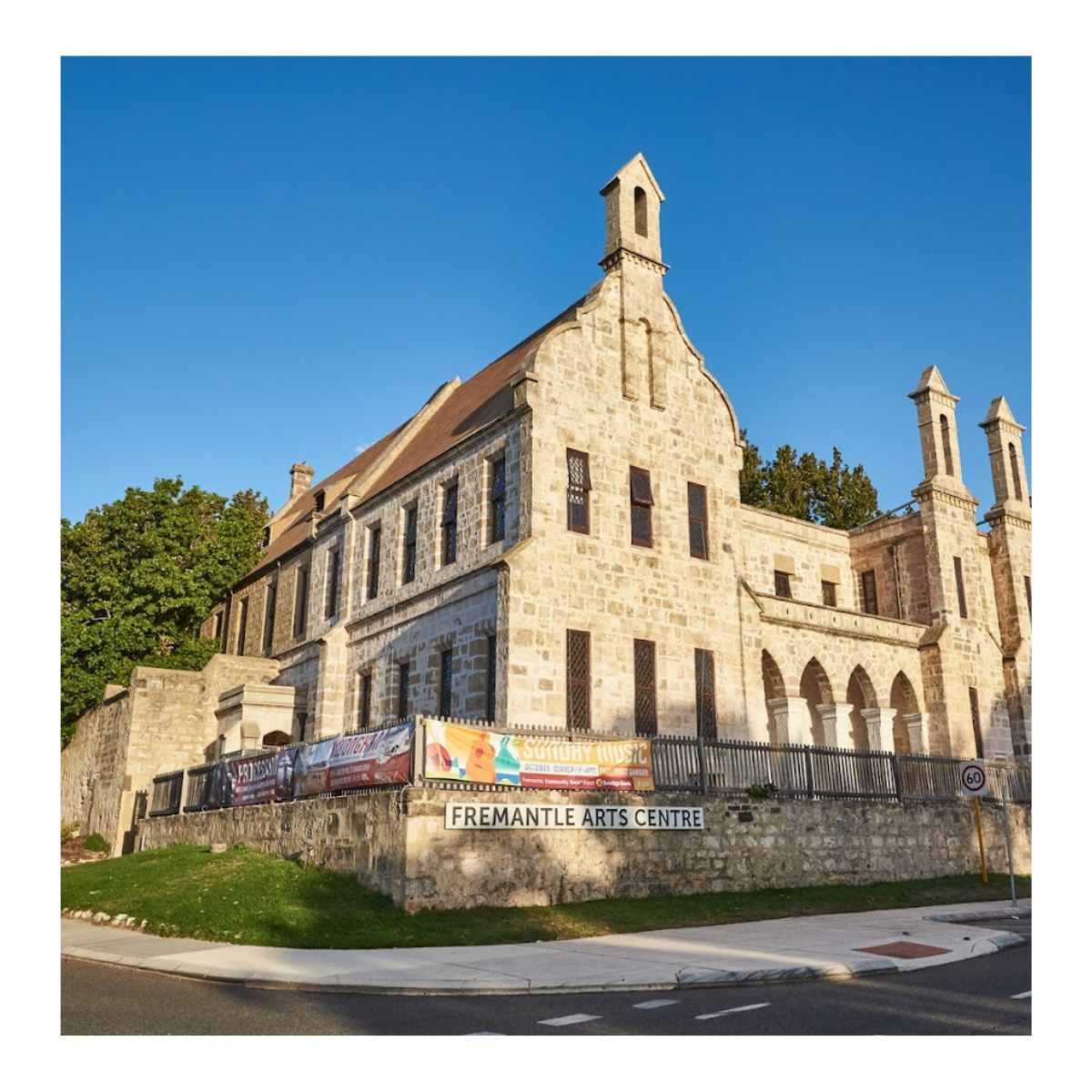
Fremantle Arts Centre
Offers a range of exhibitions, workshops, and events, often focusing on community involvement and accessibility. The centre’s programs and environment are designed to ensure best options for accessibility including: quiet hour (by request and 9-10 am daily), tactile tours (co-designed with DADAA), AUSLAN interpretation services, wheelchair access (except upper levels at this time [2024] - but they are working with City of Fremantle to rectify this). Click the link below to go to their website:
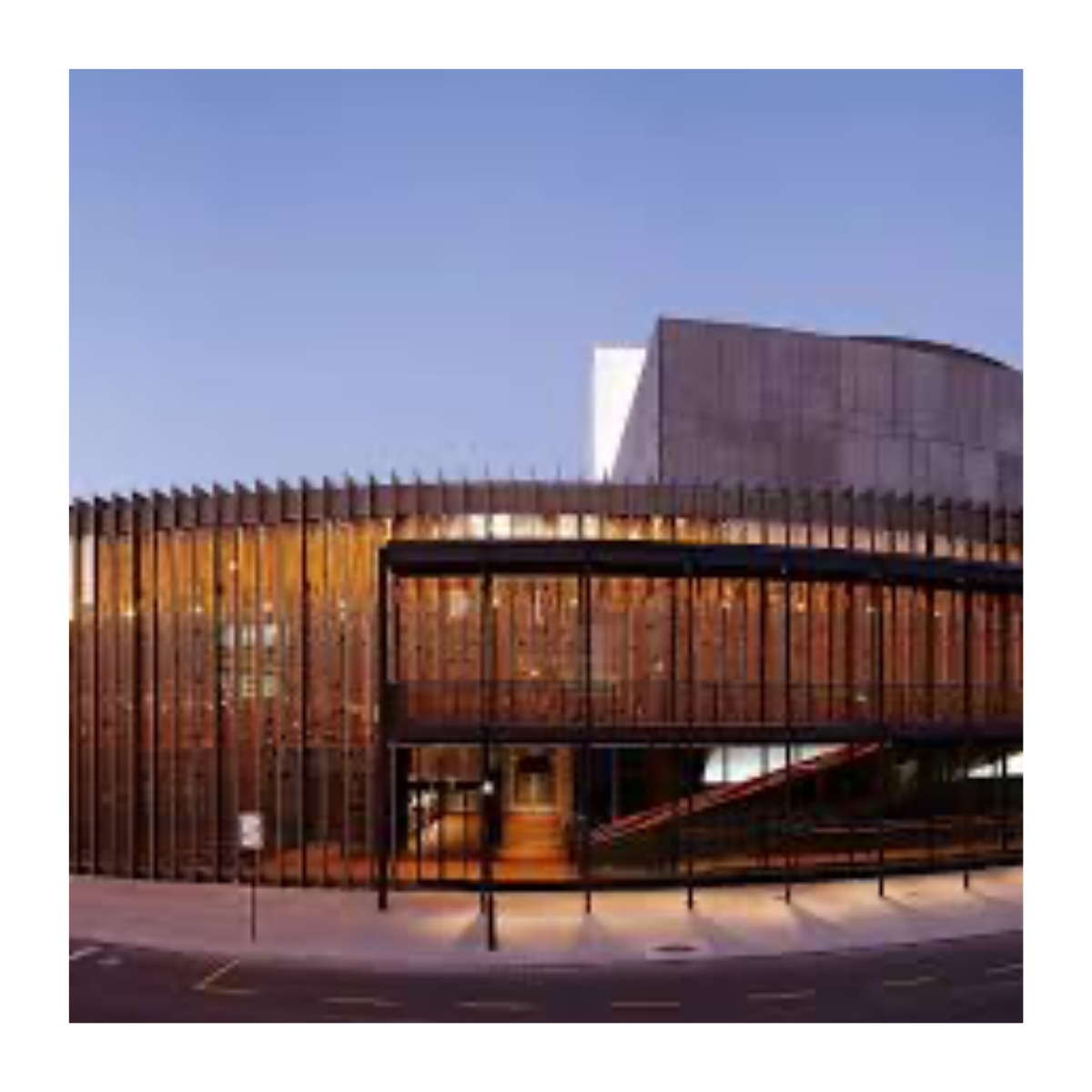
State Theatre Centre of WA
Hosts a variety of performances, including theatre, dance, and music. They provide accessible seating and assistive listening devices. Click the link below to go to their website:
https://www.artsculturetrust.wa.gov.au/venues/state-theatre-centre-of-wa/

Local Libraries and Councils
Check with your local council for their program of community arts and cultural events. Local libraries also host arts and crafts workshops, book clubs, and community events tailored to different abilities, (check with your local librarian). Click on the link below to search for your local public library:
https://slwa.wa.gov.au/about/partnerships/local-government-public-libraries/find-public-library
More Resources and Information
Choose Art
A nationally accessible art directory for inclusive and accessible arts programs, opportunities and events across Australia. Click the link below to go to their website:
Creative Health
The Hospital Research Foundation Group This organisation focuses on the connection between arts and health, offering insights and resources for integrating arts into healthcare practices. Click the link below to go to their website:
Circus WA - All abilities training program
All Abilities Training Program is designed to support children and teens with diverse physical and intellectual abilities. These classes aim to remove the barriers to cultural participation for children with disabilities and offer opportunities for physical strength and skills training alongside creativity, mentoring, social connection and career pathways. Click the link below to go to their website:
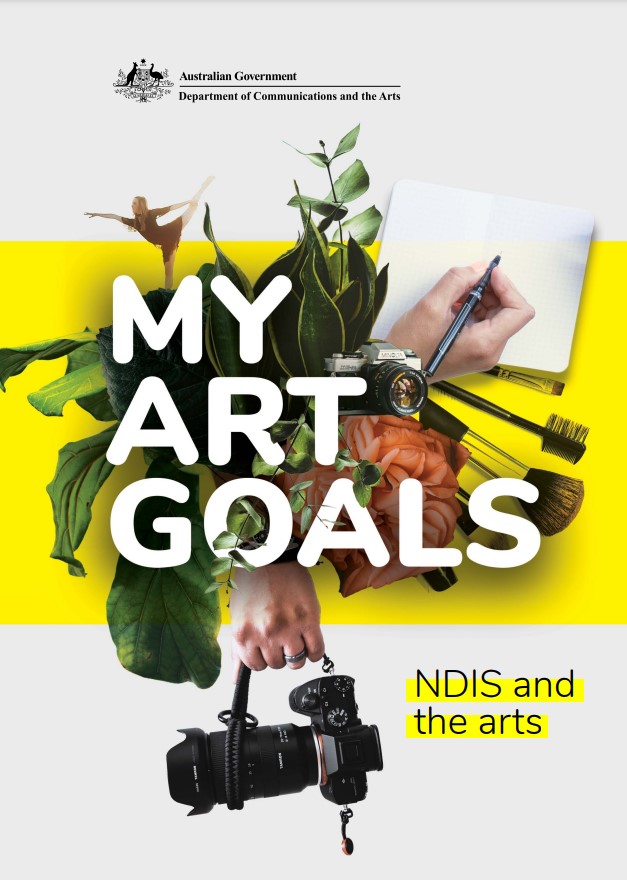
My art goals – NDIS and the arts: My art goals shows some of the ways NDIS participants who have creative or cultural jobs, or who want to participate recreationally in the arts, can reach their goals. Find out about the partnership between the National Disability Insurance Agency and the Office for the Arts. https://www.arts.gov.au/what-we-do/arts-and-disability/publications-and-resources
Download the PDF document of “My art goals – NDIS and the arts” HERE.
“My art goals” shows some of the ways National Disability Insurance Scheme (NDIS) participants who have creative or cultural jobs, or who want to participate recreationally in the arts, can reach their goals. “My art goals” provides information about how the NDIS might support participants with arts goals, or about what supports or services might be available outside the NDIS. The NDIS funds a range of supports and services
Download the PDF document of “My art goals – NDIS and the arts” HERE or click the button below.

Office for the Arts (Australian Government Department of Communications and the Arts)
"We support inclusiveness and growth in Australia's arts, entertainment and cultural sector..."
To find out more about arts and disability contact Office for the Arts.
Website: www.arts.gov.au
Email: arts.disability@arts.gov.au
Phone: 1800 185 693
To read the National Arts and Disability Strategy click the link: https://www.arts.gov.au/sites/default/files/documents/arts-disability-0110.pdf
To read the National Arts and Disability Strategy information in Easy English click the following link:
https://www.arts.gov.au/sites/default/files/documents/disability-strategy-plain.pdf
For an Easy English summary of the research the Office for the Arts did about arts and disability in Australia, click the following link:
Making the Arts more Accessible
Ideas about how you can get involved:
- Note the accessibility initiatives of some places and programs like WA Museum and Fremantle Arts centre and ask for similar accessibility to be offered wherever you go. Some places can only learn by being informed of what others are doing to improve access to their own spaces.
- For you and others: encourage participation in local arts events and workshops. Many organisations offer tailored programs to suit varying abilities. Check local community boards, libraries, and social media for upcoming events in your area.
- If there is an event you see that interests you, seek support from your family/friends/ support workers if you need assistance to access the program or event. Better yet, suggest solutions to make the program or event more accessible to people with various disability and associated needs so that you can be part of the change to a more inclusive community.
Ideas about how to make the arts more accessible:
- Establishment of an Access and Inclusion Advisory Committee to consult on disability considerations.
- Detailed Access Guide providing information on venues and shows.
- Access Calendar listing all access services available across programs.
- Use of access symbols to indicate performances or exhibitions that:
- Are wheelchair accessible
- Provide assistive listening systems
- Offer open captioning and audio description
- Include tactile tours
- AUSLAN interpretive services available upon request.
- Accessible web design for planning visits and accessing information.
- Free use of colour-blind glasses.
- Visual supports, including AAC printed materials and printable Visual Stories.
- Sensory Maps for navigation.
- Designated quiet times and quiet spaces (and/or quiet hours offered upon request).
- Ramped access throughout venues.
- Sensory backpacks for visitors with sensory sensitivities.
- Tactile tours - These initiatives reflect a commitment to towards making sure all attendees can fully participate in and enjoy their experiences.
Things to look for and/or suggest that venues and programs provide for accessibility:
- Virtual Tours: Offer online virtual tours with audio descriptions and sign language options.
- Assistive Technologies: Provide devices like hearing loops, magnifiers, or tablets with accessibility apps.
- Inclusive Programming: Host events specifically designed for people with disabilities.
- Training for Staff: Regular training on accessibility awareness and communication with people with disabilities.
- Feedback Mechanisms: Implement systems for gathering feedback to improve accessibility initiatives.
- Accessible information and Resources: Ensure materials are available in easy-to-understand formats.
- Accessible Transportation Options: Collaborate with local transit for accessible transport solutions.
- Buddy Programs: Establish volunteer programs to pair people with disabilities with trained buddies for support.

Companion Card
People with disabilities can apply for a companion card through NDS. NDS is the National Disability Services. You need to complete a form from the NDS website and have a medical practitioner or allied health therapist or service provider sign off on the form. You also need 2 passport size photos that will need to be signed. Your companion card will be posted to you. You can use your companion card for your support worker to accompany you to events. This means the support worker does not have to pay entry fee when going with you to an event. You need to mention you have a companion card when you make a booking to an event like a concert.
Other questions to consider:
· How to apply.
· Apply Now
· What it can be used for- Lists of places that accept companion cards.
· Affiliates www.wacompanioncard.org.au
· What happens when it expires.
It is valid for 5 years. You should get a renewal notice in the post. You will need new photos for your new card.