
Transition
Information and Resources to support people with intellectual and other developmental disabilities to navigate transition times across the lifespan.
SWAN (South West Autism Network)
Free Resources available online through the SWAN website covering; diagnosis, support services, health, transition times and much more. Click on the links below for more information.
Early Years
Information and resources for young kids with disability aged 0-6 years old
Transitioning from High School

Staying Connected After School Tool-Kit
This tool-kit was developed by DDWA as A Resource for High School Teachers to support students with intellectual disability in year 11 and 12, to reduce isolation when they transition from school. It contains downloadable lessons, workbooks and supporting information like videos. DDWA worked alongside schools, students and local councils to develop a series of workshops that were delivered in schools. The resources from this project have been made freely available here.
*If you have any problems accessing or using these resources, please get in touch: ddwa@ddwa.org.au
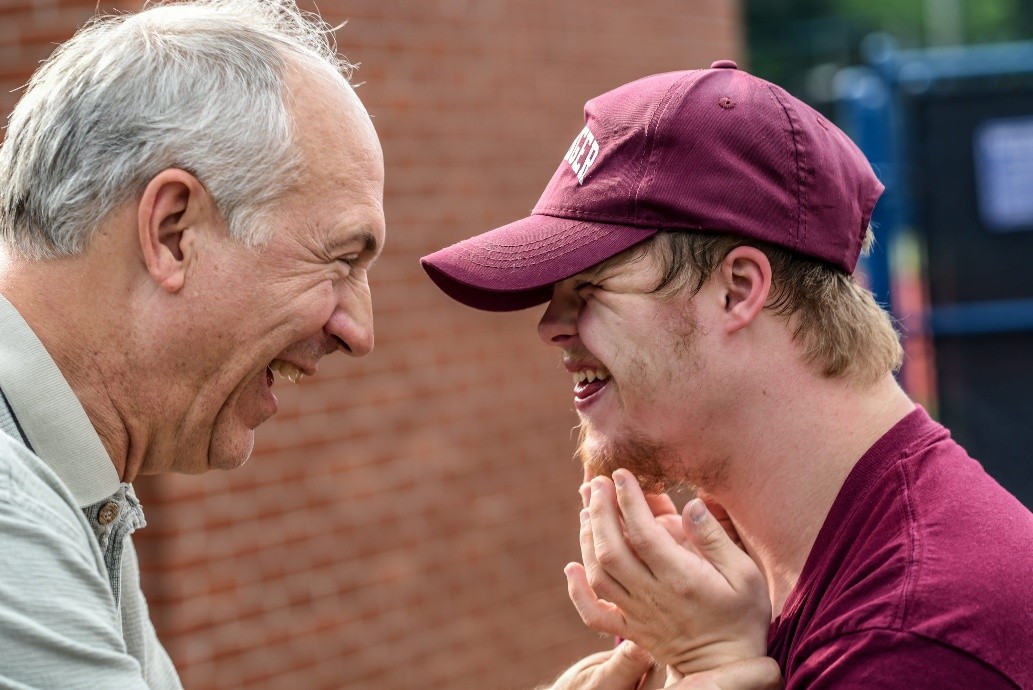
Preparing for illness or death of a parent
This page has information to help people with intellectual disability, family and supporters to be prepared for when a parent or carer becomes ill or dies.
More DDWA Resources


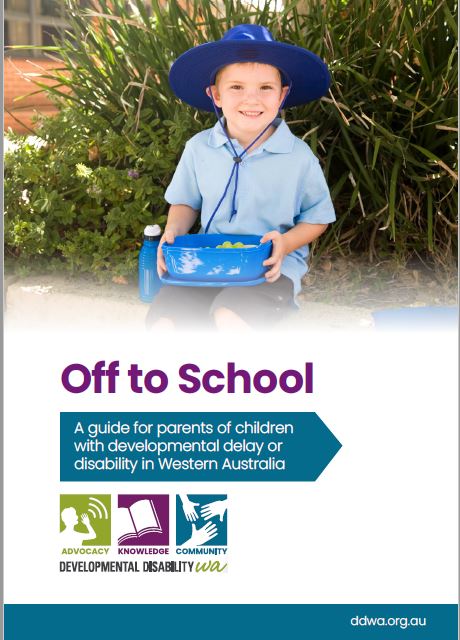

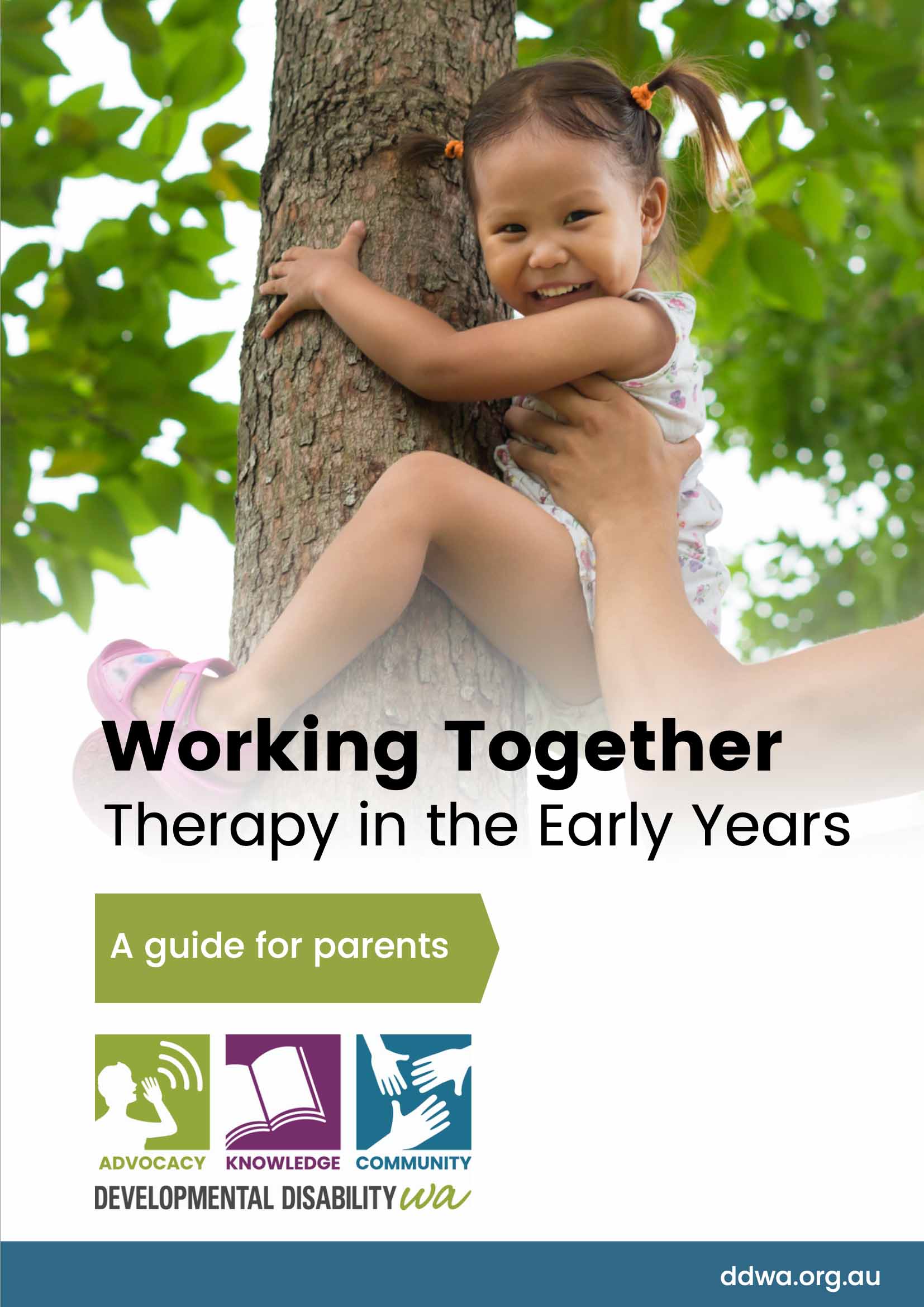
Working Together, therapy in the early years

Kick Starting Your Child's Career Journey

Autism Parents' Handbook 2025 e-Update

DDWA Services


Information, Guidance and Support
We provide information to people with disability, family members, carers and supporters, across Life Transition Stages to help you to Self-Advocate and Navigate Systems including:
- getting a diagnosis
- navigating disability services and the NDIS
- starting school and negotiating the school journey
- making friends
- turning 18
- getting a job
- staying safe and healthy
- starting a relationship
We also provide information and guidance to support you to self-advocate in any area where laws have an impact on the person with disability's life, such as information about State Administrative Tribunal (SAT) in respect to Guardianship and Administration matters, Child Protection, Enduring Power of Attorney, Advanced Health Directives and preparing for illness/death of a parent.
For a full list of the areas we cover, see our Focus Areas Page Here.
Cost – This is a free service.

Side by Side Peer Community
Side by Side began as a project in 2012 for families experiencing behaviour which could be seen as challenging. The project connects families experiencing challenging behaviour with other families though a supported peer group, an active online community and in person events. Side by Side is a safe place to receive support and help each other.
For information and how to join, contact:
Bronwyn Pike: bronwyn.pike@ddwa.org.au, or
Maggie Visser: maggie.visser@ddwa.org.au
Website: ddwa.org.au/services/family-peer-support-side-by-side
Independent Support Coordination
DDWA are a registered NDIS provider for support coordination.
We can support you to fully understand and implement the funded supports and services in your NDIS plan.
This service is currently at FULL CAPACITY.
FAQs

How do I choose the right school for my child ?

Advocacy in Schools

How can families provide training to support workers?

What if I don’t have a behaviour support plan or funding, but I need help to support behaviour and aggression at home and school?

How do I find a behaviour support practitioner?

What is behaviour support & Why do we need it?

What is challenging behaviour?

NDIS Plan Reviews: I don’t agree with the NDIA’s decision! Where to from here?
- « Previous
- 1
- 2
- 3
- 4